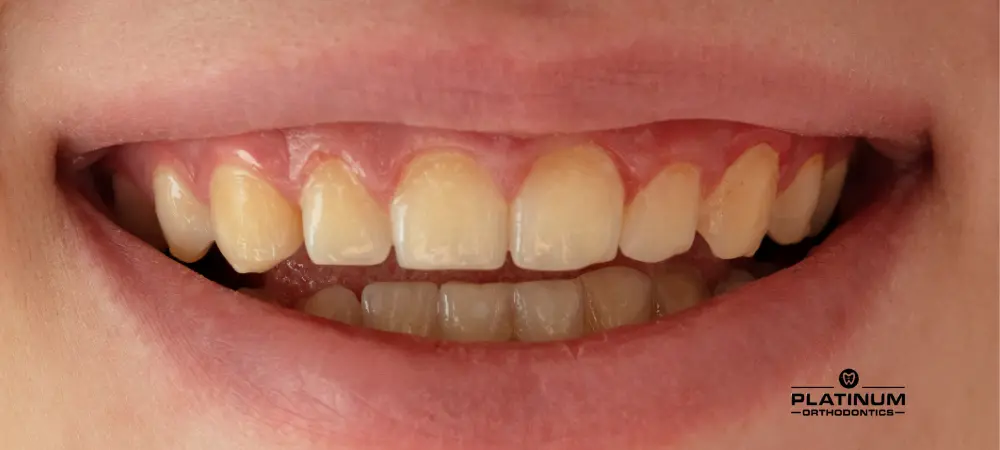
A deep overbite is one of the most prevalent orthodontic conditions, affecting millions of people worldwide. Also known as a deep bite or closed bite, this condition occurs when the upper front teeth excessively overlap the lower front teeth when the jaw is closed. While a normal overbite involves the upper teeth covering about one-third of the lower teeth, a deep overbite involves significantly more overlap, sometimes to the point where the lower teeth are barely visible or completely hidden.
What Causes a Deep Overbite?
Deep overbites can develop from a combination of genetic and environmental factors. Hereditary influences play a significant role, as jaw size and tooth positioning are often inherited traits. If parents have bite irregularities, their children are more likely to develop similar conditions.
Several developmental factors can contribute to deep overbites during childhood and adolescence. Prolonged thumb sucking, extended pacifier use beyond age three, or persistent tongue thrusting can alter the natural development of the teeth and jaws. Additionally, premature loss of primary teeth or abnormal eruption patterns of permanent teeth can disrupt proper bite development.
Skeletal discrepancies also contribute to deep overbites. When the upper jaw is positioned too far forward relative to the lower jaw, or when the lower jaw is underdeveloped, the result can be an excessive vertical overlap of the front teeth. In some cases, the condition develops when the back teeth fail to erupt properly, causing the front teeth to over-erupt and creating the deep bite pattern.
Recognizing the Signs and Symptoms
The most obvious sign of a deep overbite is the visual appearance of the teeth when smiling or speaking. Individuals with this condition often show very little of their lower front teeth, and in severe cases, the lower teeth may contact the roof of the mouth behind the upper teeth.
Beyond the cosmetic concerns, deep overbites can cause functional problems. Many people experience difficulty biting and chewing certain foods, particularly when trying to take bites from sandwiches or fruits. Speech patterns may also be affected, with some individuals developing lisps or having difficulty pronouncing certain sounds clearly.
Physical discomfort is another common symptom. The excessive overlap can lead to increased wear on the tooth surfaces, particularly on the edges of the lower front teeth and the back surfaces of the upper front teeth. This accelerated wear can result in tooth sensitivity, chipping, or even fractures over time. Additionally, the lower front teeth may traumatize the gum tissue behind the upper front teeth, leading to inflammation, recession, or ulcerations.
Some individuals with deep overbites also experience jaw joint problems, including clicking, popping, or pain in the temporomandibular joints (TMJ). The altered bite relationship can place abnormal stress on the jaw muscles and joints, potentially leading to chronic discomfort or dysfunction.
Treatment Options and Approaches
Modern orthodontics offers several effective treatment options for correcting deep overbites, with the choice of treatment depending on the severity of the condition, the patient’s age, and the underlying cause of the problem.
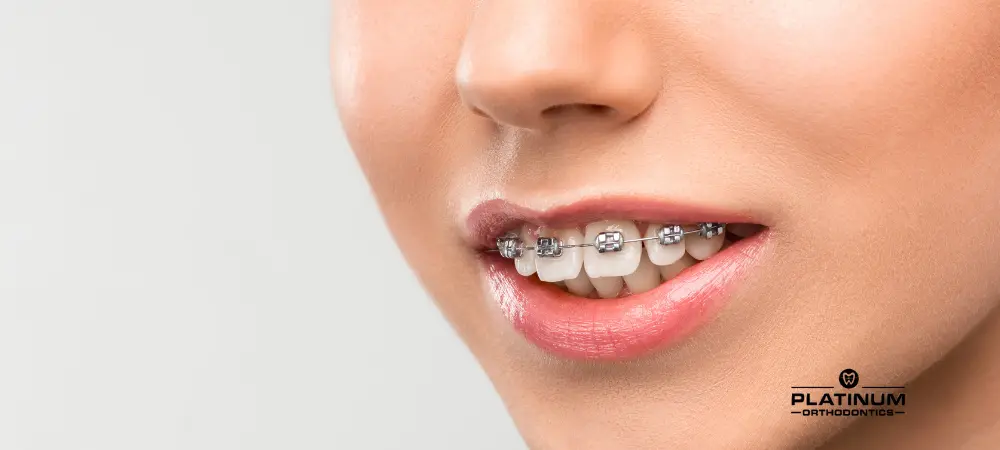
Traditional metal braces remain one of the most effective treatments for deep overbites. Through the use of brackets, wires, and specialized mechanics, orthodontists can gradually reposition the teeth and modify the bite relationship. The treatment typically involves intrusion of the front teeth (moving them into the bone) or extrusion of the back teeth (encouraging them to erupt further) to reduce the excessive overlap.
Clear aligner therapy, such as Invisalign, has become increasingly popular for treating mild to moderate deep overbites. These removable, nearly invisible aligners use gentle forces to gradually move teeth into proper position. While not suitable for all cases, aligners can be highly effective for adults and teens who prefer a more discreet treatment option.
For growing children and adolescents, functional appliances may be recommended to address skeletal discrepancies contributing to the deep overbite. These devices work by influencing jaw growth and development, potentially reducing the need for more extensive treatment later in life. Examples include Herbst appliances, twin blocks, and activators, which encourage forward growth of the lower jaw while the patient is still developing.
In severe cases where skeletal discrepancies are too significant to be corrected with orthodontics alone, orthognathic surgery may be recommended. This involves surgical repositioning of the jaw bones to achieve proper alignment and function. Such treatment is typically reserved for adult patients whose growth is complete and whose bite problems significantly impact their quality of life.
The Treatment Process and Timeline
Deep overbite correction typically requires comprehensive orthodontic treatment lasting 18 to 36 months, though the exact duration depends on the complexity of the case and the patient’s response to treatment. The process usually begins with a thorough evaluation including clinical examination, photographs, and radiographic imaging to assess both the teeth and underlying skeletal structures.
During the active treatment phase, patients require regular monitoring appointments every 6 to 8 weeks to adjust appliances and monitor progress. The orthodontist may use various techniques throughout treatment, including bite turbos (small blocks placed on teeth to open the bite), reverse curve wires to intrude front teeth, or elastics to coordinate the upper and lower arches.
Following active treatment, a retention phase is crucial to maintain the corrected bite relationship. Patients typically wear retainers full-time initially, then transition to nighttime wear for an extended period. The retention phase is particularly important for deep overbite cases, as these conditions have a tendency to relapse if not properly maintained.
Long-term Benefits and Considerations
Successfully treating a deep overbite provides both immediate and long-term benefits. Aesthetically, patients often experience improved confidence in their smile and facial appearance. The functional improvements can be equally significant, with enhanced ability to bite and chew foods effectively, clearer speech patterns, and reduced risk of dental trauma.
From a dental health perspective, correcting a deep overbite can prevent excessive tooth wear, reduce the risk of gum problems, and improve overall oral hygiene by making teeth easier to clean. Many patients also experience relief from jaw joint discomfort and associated symptoms such as headaches or neck pain.
However, successful treatment requires patient compliance and commitment. Whether using braces, aligners, or other appliances, patients must follow their orthodontist’s instructions regarding appliance wear, oral hygiene, and dietary restrictions. Regular dental cleanings and checkups become even more important during orthodontic treatment to maintain healthy teeth and gums throughout the process.
Prevention and Early Intervention
While genetic factors contributing to deep overbites cannot be prevented, early intervention can help minimize their development. Parents should discourage prolonged thumb sucking and pacifier use beyond age three, and seek orthodontic evaluation if these habits persist. Regular dental checkups can help identify developing bite problems early, when they may be easier to address.
The American Association of Orthodontists recommends that children have their first orthodontic evaluation by age seven. At this age, orthodontists can assess jaw growth patterns and tooth development, potentially identifying children who would benefit from early intervention to prevent or minimize deep overbite development.
For adults experiencing symptoms related to a deep overbite, it’s never too late to seek treatment. Modern orthodontic techniques can effectively treat bite problems at any age, though treatment may take longer in adult patients compared to children and adolescents.
Deep overbites represent a common but treatable orthodontic condition. With proper diagnosis and appropriate treatment, individuals can achieve improved dental function, enhanced aesthetics, and better long-term oral health. Anyone concerned about their bite relationship should consult with an orthodontist to discuss their options and develop a treatment plan tailored to their specific needs and goals.