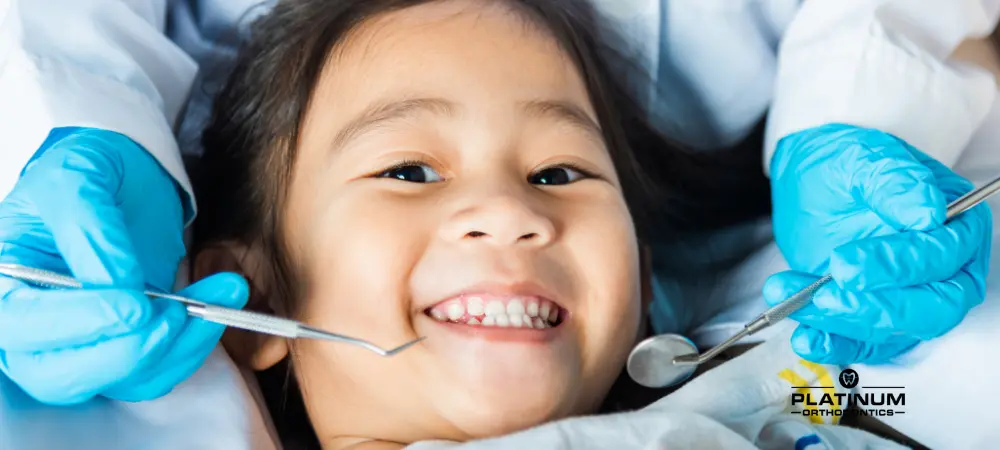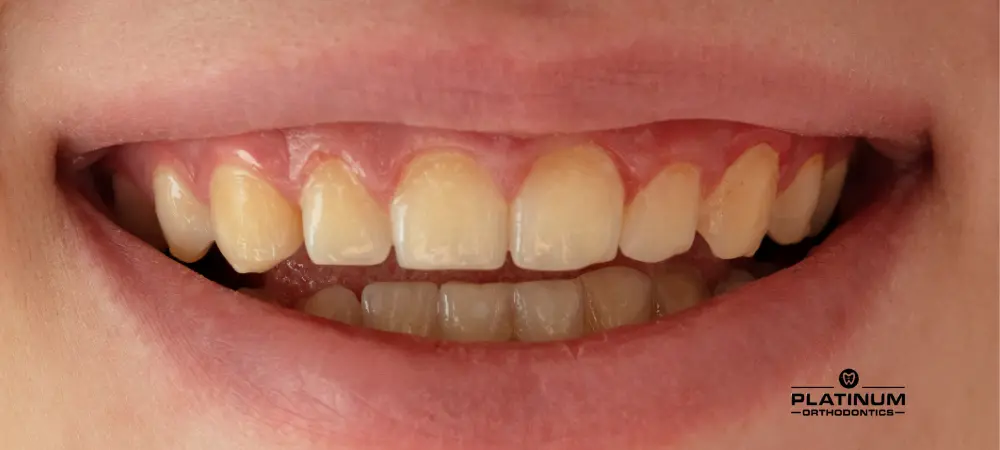
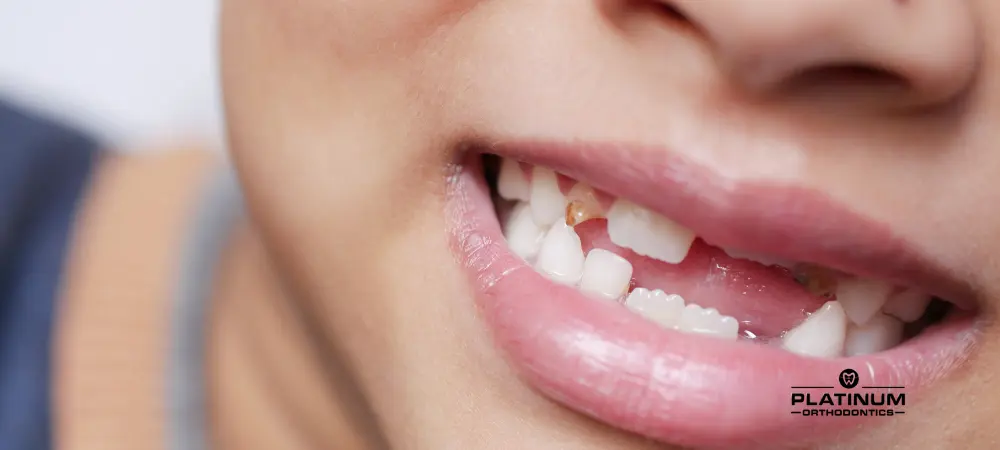
Missing teeth affect millions of people worldwide, ranging from children who lose baby teeth naturally to adults dealing with tooth loss due to injury, disease, or age. While losing primary teeth is a normal part of childhood development, missing permanent teeth can significantly impact both oral health and quality of life.
Common Causes of Missing Teeth
Congenital Absence: Some people are born without certain teeth, a condition called hypodontia. The most commonly missing teeth are wisdom teeth, followed by upper lateral incisors and second premolars. Severe cases, where six or more teeth are missing, are termed oligodontia.
Tooth Decay and Gum Disease: These remain the leading causes of tooth loss in adults. Advanced periodontal disease can destroy the supporting structures around teeth, while severe decay can damage teeth beyond repair, necessitating extraction.
Trauma and Injury: Sports injuries, accidents, and physical trauma can result in immediate tooth loss or damage that eventually requires extraction. Front teeth are particularly vulnerable to impact injuries.
Medical Treatments: Certain cancer treatments, including chemotherapy and radiation therapy to the head and neck area, can affect tooth development in children or cause tooth loss in adults.
Health Consequences Beyond Appearance
Missing teeth create a cascade of oral health problems that extend far beyond cosmetic concerns. When teeth are lost, the remaining teeth may shift position, creating gaps and misalignment that can affect bite function and make cleaning more difficult.
The jawbone requires stimulation from tooth roots to maintain its density and structure. Without this stimulation, bone resorption occurs, leading to a sunken facial appearance and potential complications for future dental treatments. This bone loss can be particularly pronounced in the first year following tooth extraction.
Chewing efficiency decreases significantly with missing teeth, potentially affecting nutrition and digestion. People with multiple missing teeth often avoid certain foods, leading to dietary limitations that can impact overall health.
Psychological and Social Impact
The social and emotional effects of missing teeth should not be underestimated. Many people with visible tooth loss report decreased self-confidence, social anxiety, and reluctance to smile or speak in public. These psychological impacts can affect professional opportunities and personal relationships.
Research indicates that people with missing front teeth may be perceived as less attractive, less successful, and older than their actual age, highlighting the social significance of a complete smile.
Modern Treatment Options
Dental Implants: Considered the gold standard for single tooth replacement, implants provide a permanent solution that closely mimics natural teeth. A titanium post is surgically placed in the jawbone, where it integrates with the bone tissue before a crown is attached.
Bridges: Fixed bridges use adjacent teeth as anchors to support replacement teeth. While less invasive than implants, they require modification of healthy neighboring teeth.
Partial and Complete Dentures: Removable appliances that can replace multiple missing teeth or entire arches. Modern dentures are more comfortable and natural-looking than previous generations, though they don’t prevent bone loss like implants.
Implant-Supported Dentures: Combining the stability of implants with the comprehensive coverage of dentures, these hybrid solutions offer improved retention and chewing function compared to traditional dentures.
Prevention and Early Intervention
Preventing tooth loss begins with consistent oral hygiene and regular dental visits. Professional cleanings and examinations can identify problems before they become severe enough to require extraction.
For children, protective mouthguards during sports can prevent traumatic tooth loss. Fluoride treatments and dental sealants provide additional protection against decay.
When tooth loss does occur, prompt treatment is crucial. The longer the gap remains, the more likely complications become, including bone loss and tooth shifting that can complicate future treatment.
Looking Forward
Advances in dental technology continue to improve treatment options for missing teeth. Computer-guided implant surgery allows for more precise placement, while new materials make prosthetic teeth stronger and more lifelike. Regenerative techniques are being developed to regrow bone and potentially even entire teeth.
The key message for anyone dealing with missing teeth is that effective solutions exist, and early intervention typically leads to better outcomes. Consulting with a dental professional can help determine the most appropriate treatment approach based on individual circumstances, health status, and personal preferences.
Missing teeth need not be a permanent limitation. With proper treatment, people can restore both function and confidence, returning to the full enjoyment of eating, speaking, and smiling without reservation.