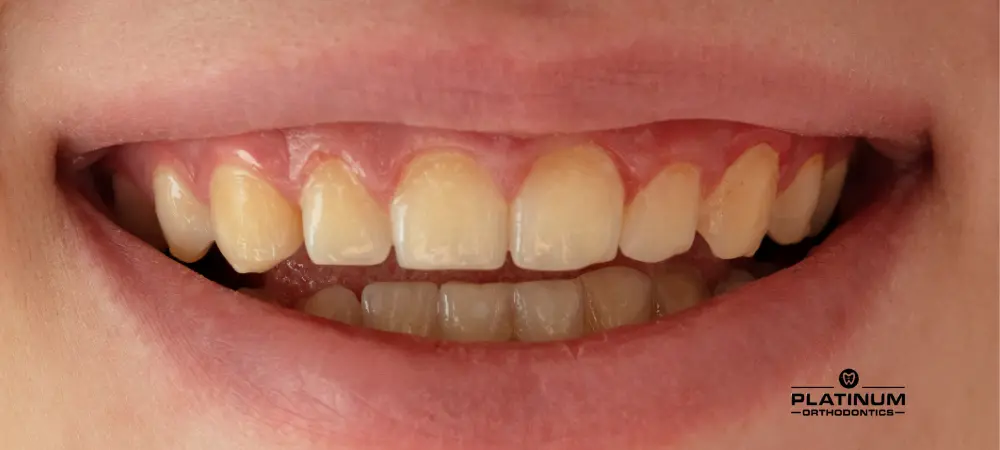
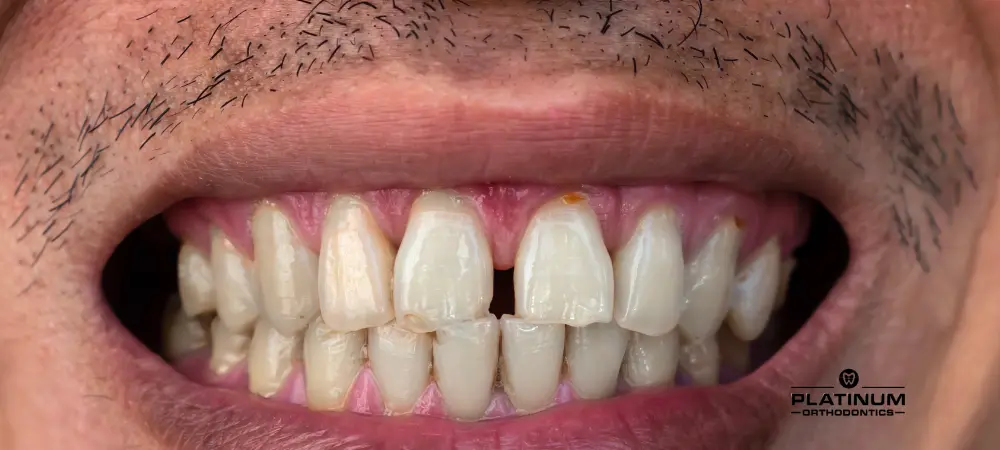
Dental spacing, commonly referred to as gaps between teeth or diastemas, affects millions of people worldwide. While some view these spaces as a charming characteristic, others may feel self-conscious about their appearance or experience functional difficulties. Understanding the underlying causes of dental spacing and available treatment options can help individuals make informed decisions about their oral health.
What Causes Dental Spacing?
Several factors contribute to gaps between teeth, ranging from genetic predisposition to developmental issues. The most common causes include:
Size Discrepancies: When teeth are naturally smaller than average relative to jaw size, spaces naturally occur. This size mismatch can affect individual teeth or multiple teeth throughout the mouth, creating a scattered appearance of gaps.
Missing Teeth: Congenitally missing teeth, particularly lateral incisors or premolars, leave obvious spaces that adjacent teeth cannot fill. This condition, known as hypodontia, affects approximately 2-8% of the population and can significantly impact both function and aesthetics.
Jaw Size Variations: A larger-than-average jaw combined with normal-sized teeth creates excess space, allowing teeth to spread apart naturally. This skeletal discrepancy often runs in families and may be accompanied by other orthodontic concerns.
Oral Habits: Prolonged thumb sucking, tongue thrusting, or improper swallowing patterns can push teeth forward and create spaces, particularly between the front teeth. These habits, when persistent beyond early childhood, can permanently alter tooth positioning.
Gum Disease: Advanced periodontal disease can cause teeth to shift and migrate, creating new spaces or widening existing ones as the supporting structures weaken.
Impact on Oral Function and Appearance
Dental spacing affects more than just smile aesthetics. These gaps can significantly impact oral function and overall dental health in several ways.
From a functional standpoint, spaces between teeth can compromise chewing efficiency and speech clarity. Food particles may become trapped in larger gaps, increasing the risk of decay and gum inflammation. Additionally, certain sounds, particularly those requiring precise tongue placement against teeth, may be affected by prominent spacing.
The bite relationship, or occlusion, can also be disrupted by dental spacing. When teeth don’t make proper contact, chewing forces may be unevenly distributed, potentially leading to excessive wear on certain teeth or temporomandibular joint stress.
Aesthetically, dental spacing can significantly impact smile appearance and, consequently, self-confidence. While cultural perceptions of dental gaps vary, many individuals in Western societies feel self-conscious about visible spaces between their front teeth, affecting their willingness to smile or speak freely in social situations.
Treatment Approaches
Modern dentistry offers several effective solutions for addressing dental spacing, with treatment choice depending on the underlying cause, gap size, and patient preferences.
Orthodontic Treatment: Traditional braces or clear aligners can effectively close spaces by gradually moving teeth into proper positions. This approach works particularly well for spacing caused by size discrepancies or minor jaw variations. Treatment typically takes 12-24 months, depending on complexity.
Cosmetic Bonding: For smaller gaps, composite resin bonding provides a quick, cost-effective solution. The dentist applies tooth-colored material to widen teeth and close spaces in a single appointment. While not as durable as other options, bonding can last 5-10 years with proper care.
Porcelain Veneers: Custom-made porcelain shells can be bonded to the front of teeth to close gaps and improve overall appearance. Veneers offer excellent aesthetics and durability but require removing some natural tooth structure and represent a more significant investment.
Dental Implants: When spacing results from missing teeth, implants provide the most comprehensive solution. These titanium posts, topped with natural-looking crowns, replace missing teeth entirely, restoring both function and appearance while preserving adjacent healthy teeth.
Partial Dentures or Bridges: For patients who aren’t candidates for implants, removable partial dentures or fixed bridges can fill spaces left by missing teeth. While less ideal than implants, these options can effectively restore function and appearance.
Making the Right Choice
The decision to treat dental spacing should consider both functional needs and aesthetic preferences. Some gaps, particularly those that don’t affect function or oral health, may not require treatment at all. However, spaces that trap food, compromise speech, or significantly impact self-esteem warrant professional evaluation.
Consulting with a qualified dentist or orthodontist is essential for proper diagnosis and treatment planning. They can assess the underlying causes of spacing, evaluate oral health impacts, and recommend the most appropriate treatment approach based on individual circumstances, budget, and goals.
The key to successful treatment lies in addressing not just the visible gaps but also their underlying causes. This comprehensive approach ensures long-lasting results and optimal oral health outcomes, helping patients achieve both functional improvement and the confident smile they desire.