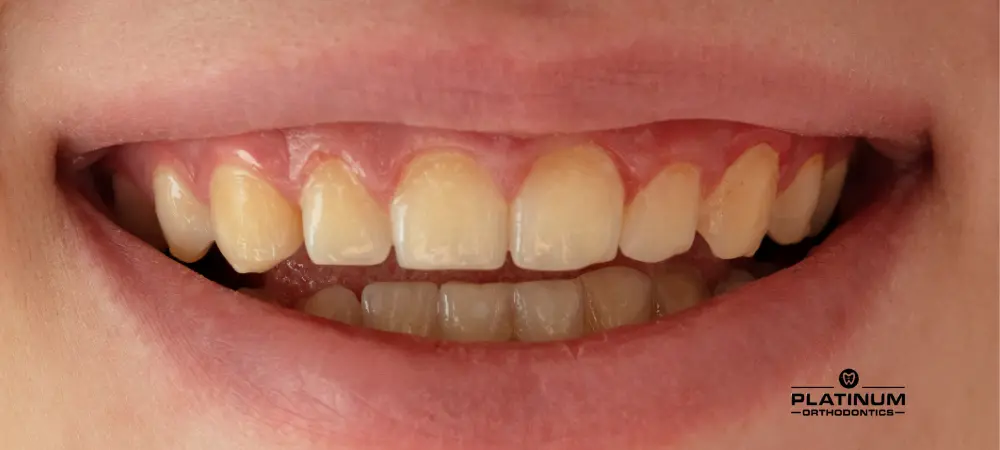
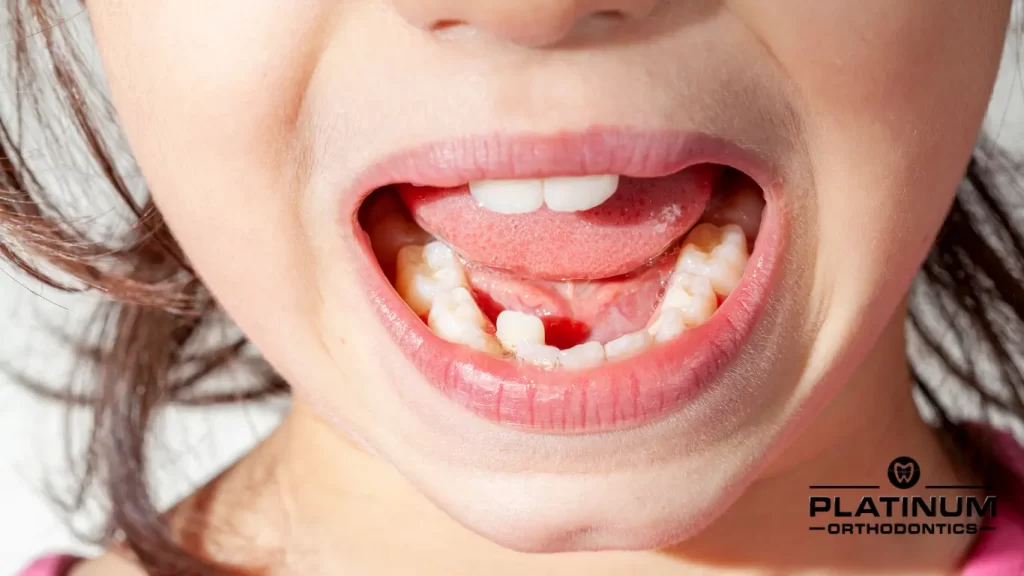
Dental crowding is one of the most common orthodontic problems, affecting millions of people worldwide. When teeth don’t have enough space to align properly in the jaw, they can overlap, twist, or become crooked, creating both aesthetic and functional challenges. Understanding the causes and treatment options for crowded teeth can help you make informed decisions about your oral health.
What Are Crowded Teeth?
Crowded teeth occur when there isn’t sufficient space in the jaw to accommodate all the teeth in their proper positions. This lack of space forces teeth to compete for room, resulting in overlapping, rotation, or displacement. The condition can range from mild crowding, where teeth are slightly overlapped, to severe crowding, where teeth are significantly twisted or pushed out of the normal arch.
Common Causes of Dental Crowding
Several factors contribute to the development of crowded teeth, often working in combination:
Genetics plays a primary role in determining jaw size and tooth size. If you inherit a small jaw from one parent and large teeth from another, crowding is likely to occur. Family history of orthodontic problems often predicts similar issues in children.
Premature loss of baby teeth can disrupt the natural spacing that guides permanent teeth into position. When primary teeth are lost too early due to decay or injury, adjacent teeth may drift into the empty space, leaving insufficient room for the permanent tooth.
Late loss of baby teeth can also cause problems. If primary teeth remain too long, they may prevent permanent teeth from erupting in their correct positions, forcing them to find alternative pathways that result in crowding.
Jaw size discrepancies between the upper and lower jaws can create crowding in one or both arches. Modern diets that require less chewing may contribute to underdeveloped jaw growth, while tooth size has remained relatively constant throughout human evolution.
Habits and environmental factors such as thumb sucking, tongue thrusting, or prolonged pacifier use can affect jaw development and tooth positioning. Poor oral posture and mouth breathing may also influence facial growth patterns.
Health Implications of Crowded Teeth
While crowded teeth are often viewed as primarily a cosmetic concern, they can lead to several oral health problems:
Difficulty with oral hygiene represents the most immediate concern. Overlapping teeth create hard-to-reach areas where plaque and bacteria can accumulate. Even with diligent brushing and flossing, cleaning between crowded teeth effectively becomes challenging, increasing the risk of tooth decay and gum disease.
Increased risk of periodontal disease occurs because crowded teeth make it difficult to remove plaque completely. Bacteria trapped between overlapping teeth can cause inflammation, bleeding gums, and eventually more serious gum disease if left untreated.
Uneven wear patterns may develop when crowded teeth don’t meet properly during chewing. Some teeth may experience excessive wear while others receive little contact, potentially leading to problems with the temporomandibular joint (TMJ) and facial muscles.
Speech difficulties can arise when crowded teeth interfere with proper tongue placement during speech. Certain sounds may be difficult to produce clearly, particularly those requiring precise tongue-to-tooth contact.
Chewing efficiency may be compromised when teeth don’t align properly, potentially affecting digestion and overall nutrition. Improperly aligned teeth may not break down food as effectively as a well-aligned bite.
Treatment Options for Crowded Teeth
Modern orthodontics offers several effective approaches to treating crowded teeth, with the best option depending on the severity of crowding, age of the patient, and individual preferences:
Traditional metal braces remain highly effective for treating all levels of crowding. These systems use brackets and wires to gradually move teeth into proper positions over 18 to 36 months. Modern braces are smaller and more comfortable than previous versions, making them suitable for both teenagers and adults.
Clear aligners such as Invisalign have become increasingly popular for treating mild to moderate crowding. These removable plastic trays are nearly invisible and allow for easier oral hygiene maintenance during treatment. However, they require strict compliance and may not be suitable for severe crowding cases.
Ceramic braces offer a compromise between effectiveness and aesthetics, using tooth-colored brackets that are less noticeable than metal braces while maintaining the precision control needed for complex movements.
Lingual braces are placed on the inside surfaces of teeth, making them completely invisible from the outside. While effective, they can be more challenging to clean and may temporarily affect speech.
Tooth extraction may be necessary in cases of severe crowding where there simply isn’t enough space to align all teeth properly. Strategic removal of certain teeth, often premolars, can create the space needed for proper alignment of remaining teeth.
Palatal expansion can be used in growing children to widen the upper jaw, creating more space for teeth to align naturally. This approach is most effective before the palatal suture fuses, typically before age 16.
Early Intervention and Prevention
The American Association of Orthodontists recommends that children have their first orthodontic evaluation by age 7. Early assessment can identify developing crowding problems and allow for interceptive treatment that may prevent more severe issues later.
Space maintainers can preserve the proper spacing when primary teeth are lost prematurely, preventing adjacent teeth from drifting into the space reserved for permanent teeth.
Expansion appliances used during periods of active growth can create additional space, potentially eliminating the need for tooth extraction later.
Habit correction addressing thumb sucking, tongue thrusting, or other oral habits early can prevent the development of crowding and other orthodontic problems.
Living with Treatment
Orthodontic treatment for crowded teeth requires commitment and patience. Regular appointments, proper oral hygiene, and following your orthodontist’s instructions are essential for successful treatment. Most patients adapt quickly to their appliances and find that the temporary inconvenience is well worth the long-term benefits of properly aligned teeth.
Maintaining good oral hygiene during treatment is crucial. Special brushes, flossers, and irrigation devices can help keep teeth and gums healthy throughout the treatment process. Your orthodontist and dental hygienist can provide specific guidance on cleaning techniques for your particular appliance.
Long-term Outlook
With proper treatment, crowded teeth can be successfully corrected at any age. The key to maintaining results lies in wearing retainers as prescribed after active treatment ends. Teeth have a natural tendency to shift throughout life, and retainers help preserve the investment made in orthodontic treatment.
Regular dental checkups and professional cleanings become easier and more effective once teeth are properly aligned. Many patients find that their overall oral health improves significantly after orthodontic treatment, with reduced risk of decay and gum disease.
Crowded teeth don’t have to be a permanent condition. With today’s advanced treatment options and the expertise of orthodontic professionals, achieving a healthy, beautiful smile is an attainable