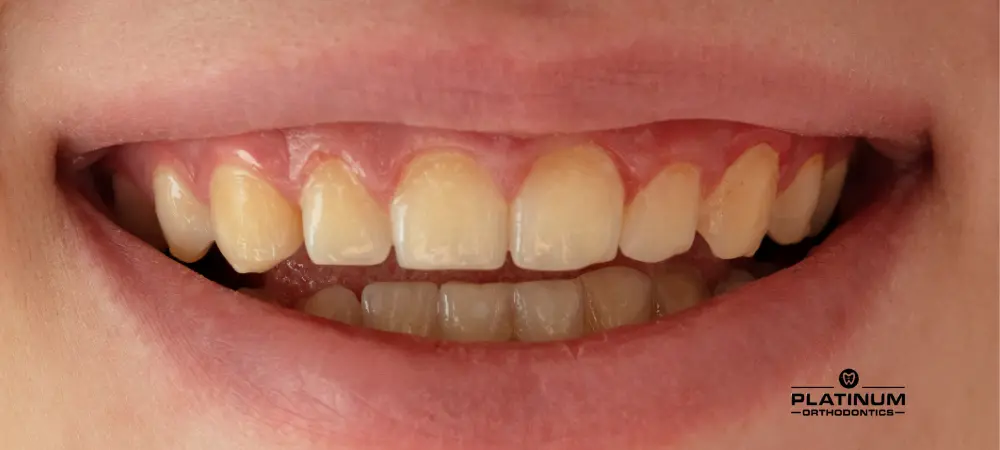
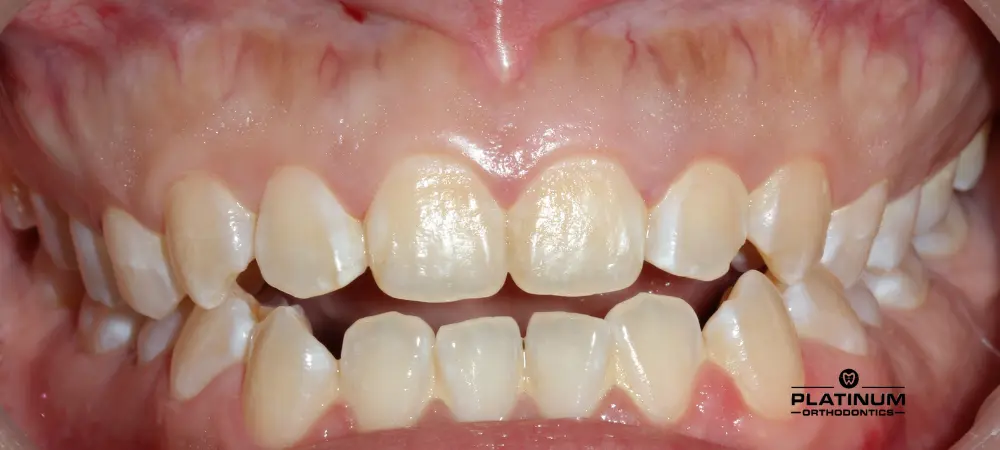
An open bite is a common orthodontic condition where the upper and lower teeth fail to make contact when the mouth is closed. This dental malocclusion primarily affects the front teeth, creating a visible gap between the upper and lower incisors even when the jaw is in its natural resting position. While it may seem like a purely cosmetic concern, an open bite can significantly impact both oral function and overall quality of life.
Understanding Open Bite
In a normal bite, the upper front teeth should slightly overlap the lower front teeth when the mouth is closed. With an open bite, this overlap is absent, leaving a noticeable space between the tooth surfaces. The condition can range from mild cases with small gaps to severe instances where the separation extends several millimeters, making it impossible for the front teeth to touch even with conscious effort.
Open bites are classified into two main categories: anterior open bite, which affects the front teeth, and posterior open bite, which involves the back teeth. Anterior open bite is far more common and is what most people refer to when discussing this condition.
Causes of Open Bite
Several factors can contribute to the development of an open bite, often working in combination rather than isolation.
Childhood Habits Prolonged thumb sucking, pacifier use, or tongue thrusting are among the most common causes of open bite in children. These habits create consistent pressure against the developing teeth and jaw structure, gradually pushing the front teeth apart and preventing normal eruption patterns. The critical period is typically between ages 2-4, when permanent teeth are beginning to develop.
Genetic Factors Some individuals are genetically predisposed to developing open bites due to inherited jaw structure, tooth size discrepancies, or growth patterns. Family history of similar bite problems can increase the likelihood of developing this condition.
Tongue Positioning Issues Chronic tongue thrusting, where the tongue pushes against the front teeth during swallowing or at rest, can gradually create and maintain an open bite. This habit often develops as a compensation for other oral issues or may persist from infancy.
Jaw Growth Problems Abnormal growth patterns of the upper or lower jaw can result in open bite formation. Excessive vertical growth of the back portions of the jaw can cause the mouth to pivot open at the front, preventing proper tooth contact.
Temporomandibular Joint Disorders TMJ problems can alter jaw positioning and movement patterns, potentially contributing to open bite development or preventing successful treatment of existing conditions.
Signs and Symptoms
The most obvious sign of an open bite is the visible gap between the upper and lower front teeth when the mouth is closed. However, several other symptoms often accompany this condition.
Functional Difficulties Patients with open bites frequently experience challenges with basic oral functions. Biting into foods like sandwiches, pizza, or apples becomes difficult or impossible without using the side teeth. Speech patterns may also be affected, with difficulty pronouncing certain sounds, particularly “s,” “z,” “t,” and “th” sounds, leading to a lisp or other speech impediments.
Compensatory Behaviors Many people with open bites develop compensatory eating and speaking patterns. They may tilt their head, use their tongue differently, or rely heavily on their back teeth for chewing, which can lead to uneven wear patterns and additional dental problems.
Self-Consciousness The visible nature of anterior open bites can cause significant self-consciousness and social anxiety. Many patients report feeling embarrassed about their smile or avoiding situations where their teeth are visible.
Impact on Daily Life
Open bites can substantially affect daily activities and overall well-being. Eating becomes a calculated process, with many foods requiring modification or avoidance entirely. Social situations involving meals can become sources of anxiety and embarrassment.
The speech impediments associated with open bites can impact professional and personal relationships. Clear communication is essential in many career paths, and speech difficulties may limit opportunities or require additional therapy to overcome.
From a dental health perspective, the inability to properly bite and chew can lead to digestive issues, as food is not adequately broken down before swallowing. The overreliance on posterior teeth for all chewing functions can cause excessive wear, increased risk of fractures, and temporomandibular joint problems.
Treatment Options
Modern orthodontics offers several effective treatment approaches for open bite correction, with the choice depending on the severity of the condition, the patient’s age, and underlying causes.
Traditional Braces Conventional metal braces remain one of the most reliable methods for treating open bites. The treatment typically involves using specialized mechanics to intrude the posterior teeth while allowing the anterior teeth to erupt into proper contact. Elastic bands, springs, and other auxiliaries may be used to achieve the necessary tooth movements. Treatment duration usually ranges from 18 months to 3 years.
Clear Aligners Advanced clear aligner systems have become increasingly capable of treating open bite cases. These removable appliances offer aesthetic advantages and convenience but require strict patient compliance to be effective. Not all open bite cases are suitable for aligner treatment, particularly severe cases or those involving significant skeletal components.
Functional Appliances For growing patients, functional appliances can help guide jaw growth and development while addressing the open bite. These devices work by influencing the natural growth process rather than simply moving teeth, potentially providing more stable long-term results.
Surgical Intervention Severe open bites with significant skeletal components may require surgical correction in combination with orthodontic treatment. Orthognathic surgery can reposition the jaw bones to create proper relationships, while orthodontics aligns the teeth within the newly positioned jaws.
Habit Intervention When open bites are caused by persistent habits like tongue thrusting, treatment must address these underlying behaviors. Speech therapy, myofunctional therapy, or habit-breaking appliances may be necessary components of comprehensive treatment.
Treatment Timeline and Expectations
Open bite treatment typically requires patience and commitment from both patient and orthodontist. The complexity of the tooth movements involved often makes these cases more challenging and time-consuming than standard orthodontic treatments.
Initial improvements may be visible within the first few months of treatment, but achieving stable contact between the front teeth often takes 18-24 months or longer. The final phases of treatment focus on fine-tuning the bite and ensuring stability.
Retention is particularly crucial following open bite treatment, as there is often a tendency for the condition to relapse. Long-term retainer wear and regular monitoring are essential for maintaining treatment results.
Prevention Strategies
While genetic factors cannot be controlled, many open bites can be prevented through early intervention and awareness.
Early Habit Management Addressing thumb sucking, pacifier dependence, and other oral habits before age 4 can prevent many open bite cases from developing. Positive reinforcement, habit reminder appliances, and patience from parents are key components of successful habit elimination.
Regular Dental Monitoring Routine pediatric dental visits allow for early detection of developing bite problems. Early intervention is often more effective and less complex than treating established conditions.
Speech and Swallowing Evaluation Children with persistent speech issues or unusual swallowing patterns should be evaluated for underlying structural problems that might contribute to open bite development.
Long-term Prognosis
With appropriate treatment, most open bite cases can be successfully corrected. However, the long-term stability of treatment results depends on several factors, including the underlying cause of the open bite, patient compliance with retention protocols, and whether contributing habits have been eliminated.
Studies show that anterior open bites have a higher tendency for relapse compared to other orthodontic conditions, making long-term retention and monitoring essential. Patients who maintain good oral habits and follow retention instructions typically enjoy stable, long-lasting results.
Living with an Open Bite
For individuals who choose not to pursue treatment or are waiting to begin therapy, several strategies can help manage the challenges of living with an open bite.
Dietary modifications can make eating more comfortable and efficient. Cutting foods into smaller pieces, choosing softer options, and being mindful of chewing patterns can help. Speech therapy may improve communication clarity even without bite correction.
Regular dental care becomes even more important for open bite patients, as altered chewing patterns and oral habits can increase the risk of dental problems. Professional cleanings, fluoride treatments, and monitoring for unusual wear patterns should be prioritized.
Conclusion
Open bite conditions where the front teeth don’t touch represent complex orthodontic challenges that extend far beyond cosmetic concerns. The impact on daily function, speech, and quality of life underscores the importance of proper evaluation and treatment when appropriate.
Modern orthodontic techniques offer effective solutions for most open bite cases, though treatment requires patience, commitment, and often a multidisciplinary approach. Early intervention and habit management remain the best strategies for prevention, while comprehensive treatment planning ensures optimal outcomes for those who develop this condition.
Understanding the causes, impacts, and treatment options for open bites empowers patients to make informed decisions about their oral health and seek appropriate care when needed. With proper treatment and maintenance, individuals with open bites can achieve functional, healthy, and aesthetically pleasing smiles that serve them well throughout their lives.