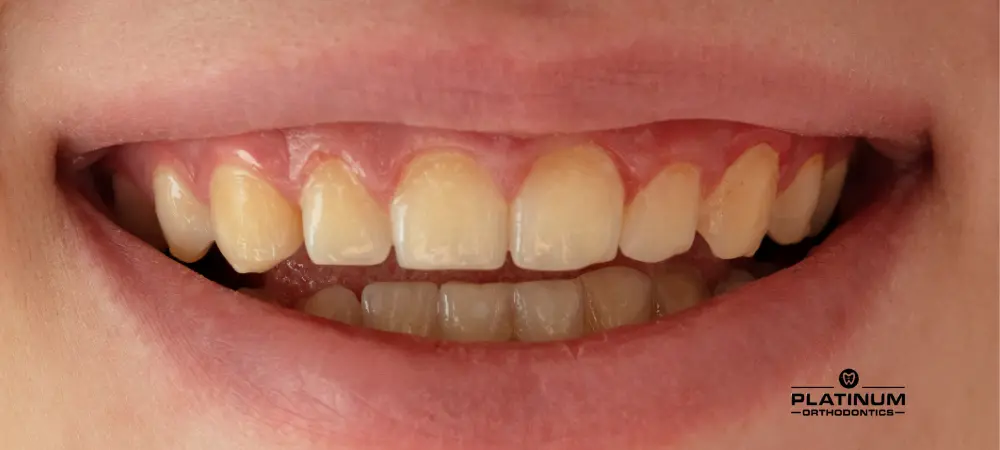
Overjet is a common dental condition where the upper front teeth extend horizontally beyond the lower front teeth more than normal. While a small amount of overjet is typical in most people, excessive overjet can lead to functional problems and aesthetic concerns that may require orthodontic treatment.
What Is Overjet?
Overjet refers to the horizontal distance between the upper and lower front teeth when the jaw is in its natural resting position. In a normal bite, the upper teeth should overlap the lower teeth by approximately 2-3 millimeters. When this distance exceeds 2 millimeters, it’s considered an excessive overjet that may warrant professional attention.
This condition is sometimes confused with overbite, but they’re distinctly different. While overjet measures the horizontal gap between teeth, overbite refers to the vertical overlap of upper teeth over lower teeth.
Causes of Excessive Overjet
Several factors can contribute to the development of overjet:
Genetic Factors: Family history plays a significant role, as jaw size and tooth positioning are largely inherited traits. If parents have overjet, their children are more likely to develop similar bite patterns.
Childhood Habits: Prolonged thumb sucking, pacifier use beyond age three, or tongue thrusting can push the upper teeth forward and create or worsen overjet. These habits apply consistent pressure that gradually shifts tooth position over time.
Jaw Development Issues: Discrepancies in jaw growth, particularly when the upper jaw grows more than the lower jaw, can result in overjet. This can occur naturally during development or due to injury.
Premature Loss of Baby Teeth: When primary teeth are lost too early due to decay or trauma, permanent teeth may not have proper guidance for eruption, potentially leading to spacing and alignment issues.
Problems Associated with Overjet
Excessive overjet can create several complications beyond cosmetic concerns:
Bite Problems: The misalignment affects how teeth come together during chewing, potentially leading to inefficient food processing and increased wear on certain teeth. This can cause premature tooth damage and may contribute to jaw joint problems.
Speech Difficulties: Severe overjet can interfere with proper tongue placement during speech, particularly affecting the pronunciation of sounds like “s,” “z,” “th,” and “f.” This may result in a lisp or other speech impediments that can impact communication and self-confidence.
Increased Risk of Injury: Protruding front teeth are more vulnerable to trauma during sports, accidents, or falls. The exposed position makes them more likely to chip, crack, or be completely knocked out.
Oral Health Challenges: Overjet can make it difficult to properly clean teeth, particularly the front teeth and gums. This increased difficulty in maintaining oral hygiene can lead to higher rates of tooth decay and gum disease.
Jaw Strain and TMJ Issues: The misalignment can place extra stress on the jaw joints and muscles, potentially leading to temporomandibular joint (TMJ) disorders, characterized by jaw pain, clicking, or difficulty opening the mouth.
Treatment Options
The approach to treating overjet depends on the severity of the condition, the patient’s age, and contributing factors:
Traditional Braces: Metal or ceramic braces remain the most common and effective treatment for overjet. They gradually move teeth into proper position over 18-36 months, depending on the severity of the case.
Clear Aligners: For mild to moderate overjet, clear aligner systems like Invisalign can be effective alternatives to traditional braces, offering a more discreet treatment option.
Functional Appliances: In growing children, devices like headgear or functional appliances can help guide jaw growth and tooth positioning, potentially reducing the need for more extensive treatment later.
Tooth Extraction: In cases of severe crowding combined with overjet, removing certain teeth may be necessary to create space for proper alignment.
Surgical Intervention: Severe cases involving significant jaw discrepancies may require orthognathic surgery combined with orthodontic treatment to achieve optimal results.
The Importance of Early Intervention
Early detection and treatment of overjet can prevent many associated problems and often result in more effective, less complex treatment. The American Association of Orthodontists (AAO) recommends that children visit an orthodontist by the age of 7, when the relationship between the upper and lower jaws can be assessed and the bite pattern is established.
During childhood, when the jaw is still growing, treatment options are broader and often more successful. Interceptive treatment can guide proper jaw development and tooth eruption, potentially eliminating the need for more extensive treatment during adolescence.
Living with Overjet
While treatment is often recommended for excessive overjet, some individuals may choose to manage the condition without orthodontic intervention. In these cases, extra attention to oral hygiene, use of mouthguards during sports, and regular dental checkups become even more important.
For those considering treatment, consulting with an orthodontist can provide valuable insight into the severity of the condition and available treatment options. Modern orthodontic techniques offer effective solutions that can improve both function and appearance, leading to better oral health and increased confidence.
Understanding overjet and its implications empowers individuals to make informed decisions about their oral health and seek appropriate treatment when necessary. With proper care and treatment, most cases of overjet can be successfully corrected, leading to improved bite function, easier oral hygiene maintenance, and enhanced facial aesthetics.