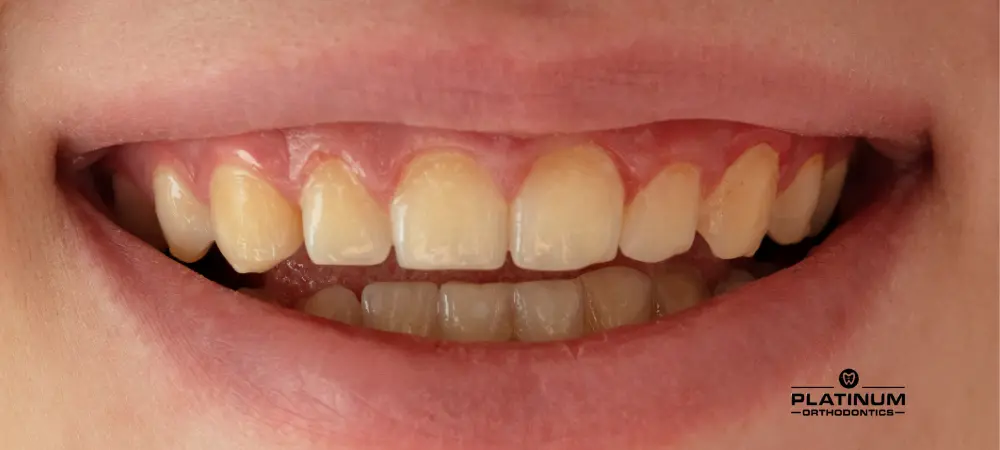
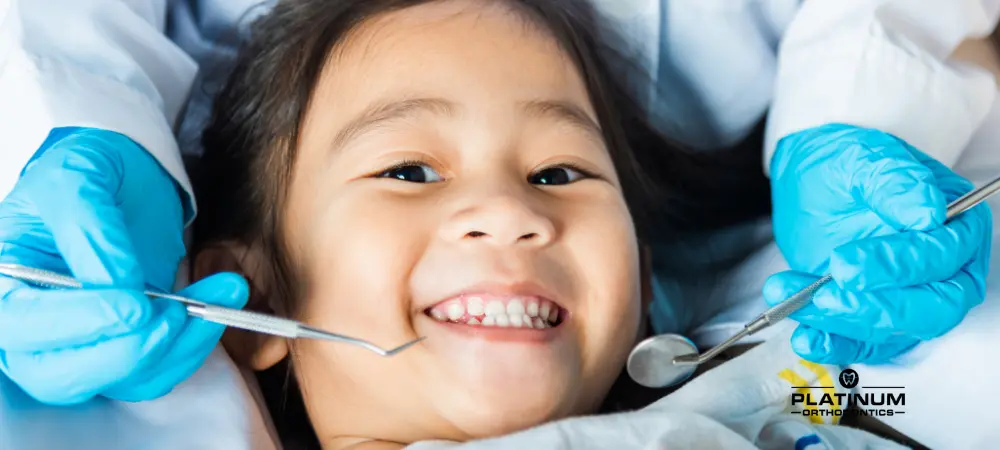
For many parents, the word “orthodontics” brings to mind teenagers with mouths full of metal braces. However, an early trip to the orthodontist can reveal underlying issues with jaw growth and tooth eruption that are best treated at a much younger age. This early intervention is known as Phase-One orthodontic treatment, a proactive approach that can save time, money, and discomfort down the road.
Phase-One, or “interceptive” orthodontics, is a problem-focused treatment that occurs while a child still has a mix of baby and permanent teeth, typically between the ages of six and ten. Unlike comprehensive orthodontics (Phase-Two), which focuses on straightening all the permanent teeth, Phase-One treatment aims to correct developmental issues with the jaw and create an ideal environment for the permanent teeth to erupt properly.
The American Association of Orthodontists (AAO) recommends that every child have an orthodontic screening by age seven for this very reason. At this age, the first permanent molars have typically come in, establishing the back of the bite and allowing an orthodontist to spot developing problems.
The Goals of Early Treatment
The primary goal of Phase-One is to guide the growth of the jaw and address skeletal discrepancies while the bones are still soft and malleable. This early work can prevent more severe, and often more invasive, treatments later in life.
Key objectives of Phase-One treatment include:
- Correcting Harmful Bites: Issues like a crossbite (where upper teeth sit inside the lower teeth), a severe overbite (protruding front teeth), or an underbite (lower jaw sits in front of the upper jaw) are often rooted in jaw-size mismatches. Early intervention can guide jaw growth to a more favorable position.
- Creating Adequate Space: One of the most common orthodontic problems is crowding. If a child’s jaw is too narrow, there isn’t enough room for all the permanent teeth. A device called a palatal expander can be used during Phase-One to gradually widen the upper arch, creating the necessary space and often preventing the need for tooth extractions later.
- Preventing Dental Trauma: Protruding front teeth are significantly more likely to be chipped or fractured during falls or playground accidents. Phase-One treatment can help retract these teeth to a safer position.
- Eliminating Oral Habits: Prolonged thumb sucking, finger sucking, or tongue thrusting can push teeth out of alignment and reshape the jaw. According to health experts, these habits can cause long-term dental issues if not addressed. Special appliances can be used to help a child break these habits.
The Two-Phase Advantage
After Phase-One is complete, there is typically a “resting period” where the remaining permanent teeth are left to erupt naturally. Once most of the permanent teeth are in, usually around age 11-13, the orthodontist will evaluate the need for Phase-Two treatment.
Phase-Two is the tooth-straightening stage that most people associate with orthodontics, often involving a full set of braces or clear aligners. However, for a child who has undergone Phase-One, this second phase is often shorter, simpler, and less invasive because the foundational jaw and spacing issues have already been resolved.
By tackling skeletal problems early, Phase-One treatment sets the stage for a healthier, more stable smile for life. It’s a perfect example of how a little proactive care during childhood can make a big difference in the long run.