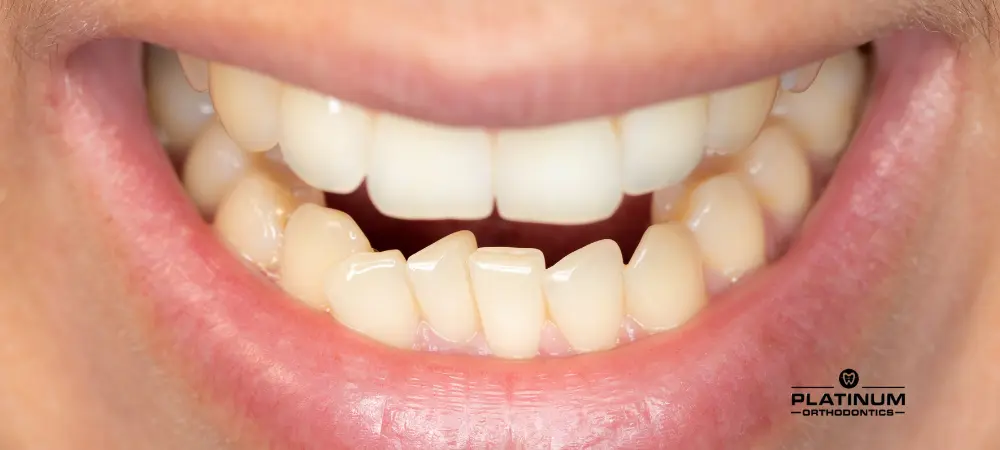
An underbite is a common dental condition where the lower teeth extend beyond the upper teeth when the jaw is closed. Also known medically as Class III malocclusion or prognathism, this condition affects both the appearance and function of the bite, potentially impacting everything from chewing and speaking to facial aesthetics and self-confidence.
What Causes an Underbite?
Underbites typically result from a combination of genetic and environmental factors. The most common causes include:
Genetic factors play the primary role, as jaw size and tooth positioning are largely inherited traits. If parents or close relatives have underbites, children are more likely to develop the condition. Certain ethnic populations also show higher prevalence rates, suggesting strong genetic components.
Developmental issues during childhood can contribute to underbite formation. These include prolonged thumb sucking, extended pacifier use beyond age three, tongue thrusting habits, and mouth breathing due to chronic nasal congestion. Each of these behaviors can alter normal jaw development and tooth positioning.
Jaw growth discrepancies occur when the lower jaw grows more than the upper jaw, or when the upper jaw is underdeveloped. This can happen due to hormonal influences, nutritional factors during development, or simply genetic programming that affects growth patterns.
Injury or trauma to the jaw during crucial developmental periods can also lead to underbites, though this is less common than genetic causes.
Types and Severity Levels
Underbites exist on a spectrum from mild to severe. Dental professionals classify them into three main categories:
Dental underbites involve only the positioning of teeth, with normal jaw relationships. These are often the mildest form and may be corrected with orthodontic treatment alone.
Skeletal underbites result from actual jaw bone discrepancies, where the lower jaw is too large, the upper jaw too small, or both. These typically require more comprehensive treatment approaches.
Functional underbites occur when the jaw shifts forward due to tooth interference, creating an underbite appearance even though the underlying jaw relationship may be normal.
Health and Social Impacts
Beyond cosmetic concerns, underbites can create several functional problems. Chewing efficiency often suffers because teeth don’t meet properly, potentially leading to digestive issues from inadequately processed food. Speech may be affected, particularly sounds that require proper tooth contact like “s” and “th” sounds.
The temporomandibular joint (TMJ) may experience increased stress due to altered jaw positioning, potentially causing jaw pain, clicking, or limited mouth opening. Some people with severe underbites also experience breathing difficulties, especially during sleep.
Psychologically, underbites can significantly impact self-esteem and social confidence. Many individuals become self-conscious about their appearance, affecting their willingness to smile, speak in public, or engage socially.
Treatment Approaches
Treatment options vary significantly based on age, severity, and underlying causes. Early intervention during childhood often yields the best results, as growing jaws respond more readily to treatment.
Orthodontic treatment using traditional braces or clear aligners can effectively address mild to moderate dental underbites. Treatment typically takes 18-36 months and focuses on repositioning teeth into proper alignment.
Functional appliances are often used in growing children to guide jaw development. These removable devices work by encouraging proper jaw growth patterns and can be highly effective when used during peak growth periods.
Surgical intervention may be necessary for severe skeletal underbites in adults. Orthognathic surgery involves repositioning the jaw bones to create proper alignment. This approach often combines surgery with orthodontic treatment for optimal results.
Early intervention programs for young children focus on addressing contributing habits like thumb sucking and promoting proper oral development through exercises and behavioral modifications.
Living with an Underbite
While treatment is often recommended, many people live comfortably with mild underbites without significant problems. Good oral hygiene becomes especially important to prevent dental issues that might be complicated by the altered bite relationship.
Regular dental checkups help monitor any changes and address problems early. For those choosing not to pursue treatment, dentists can provide guidance on protecting teeth and managing any functional limitations.
Prevention and Early Detection
Although genetic factors can’t be controlled, parents can take steps to minimize environmental contributions to underbite development. This includes discouraging prolonged thumb sucking, limiting pacifier use after age three, and addressing chronic nasal congestion that leads to mouth breathing.
Early dental visits allow professionals to monitor jaw development and identify potential problems before they become severe. Most orthodontists recommend evaluations by age seven to assess growth patterns and intervention needs.
Looking Forward
Advances in orthodontic technology continue to improve treatment options and outcomes for underbites. Digital planning tools, improved appliance designs, and refined surgical techniques offer more predictable results with shorter treatment times.
Understanding that underbites represent a spectrum of conditions helps patients and families make informed decisions about treatment timing and approaches. With proper evaluation and appropriate intervention, most underbites can be successfully managed, improving both function and confidence for those affected by this common dental condition.
The key lies in early recognition, professional evaluation, and choosing treatment approaches that align with individual needs and circumstances. Whether pursuing active treatment or managing the condition conservatively, working with qualified dental professionals ensures the best possible outcomes for long-term oral health and well-being.